Finding Stars
January arrives softly.
The brightness of the festive season withdraws, the earth rests under cold skies, and a different kind of light becomes perceptible: the one that guides.
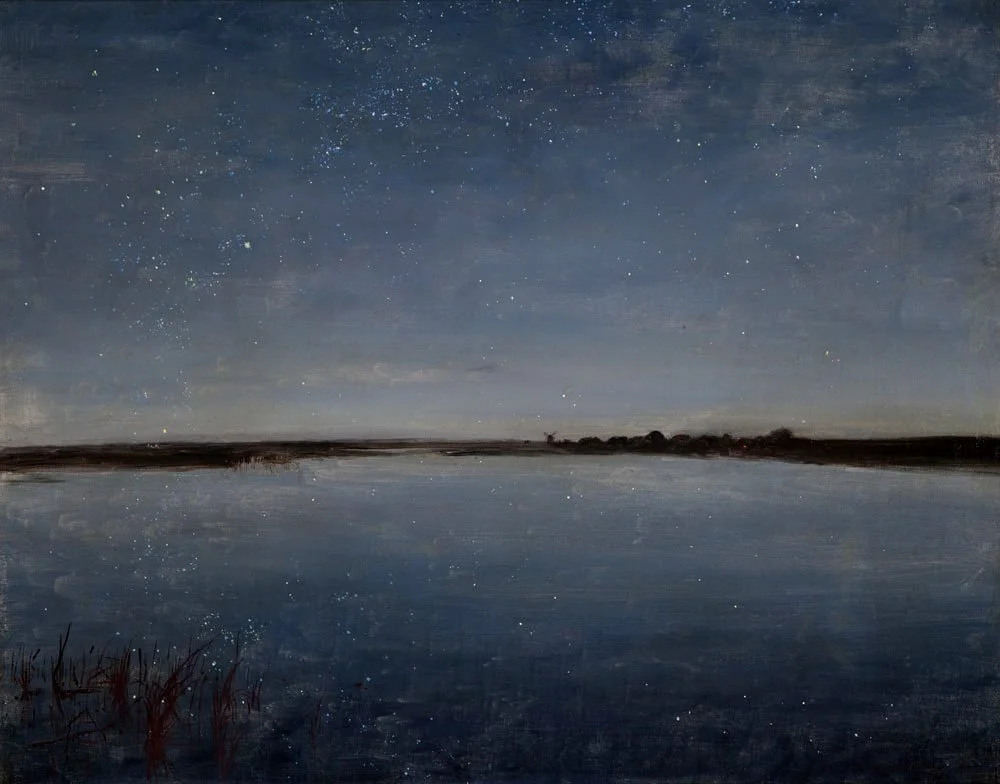
Józef Chełmoński - Noc gwiaździsta - (1849–1914)
Epiphany arrives as a radiant call. Not a conclusion, a beginning. Not a possession, a search.
Celebrated on January 6th, Epiphany, from the Greek epipháneia, “manifestation”, marks the revelation of the Christ light to the world. This revelation unfolds through the journey of the Magi, who follow a star across deserts and uncertainties, guided by trust in a sign that shines ahead of them.
To say it with Goethe:
“Every human being is a pilgrim in search of the king.”
Epiphany is the festival of this pilgrimage: the moment when the human soul recognizes that truth is not inherited or explained, but sought.
The Magi: Seekers of the Inner Star
The Magi are not only historical figures, but archetypes of awakened human consciousness. They represent humanity at the threshold of a new relationship with the spiritual world: no longer guided by inherited clairvoyance, but by conscious seeking.
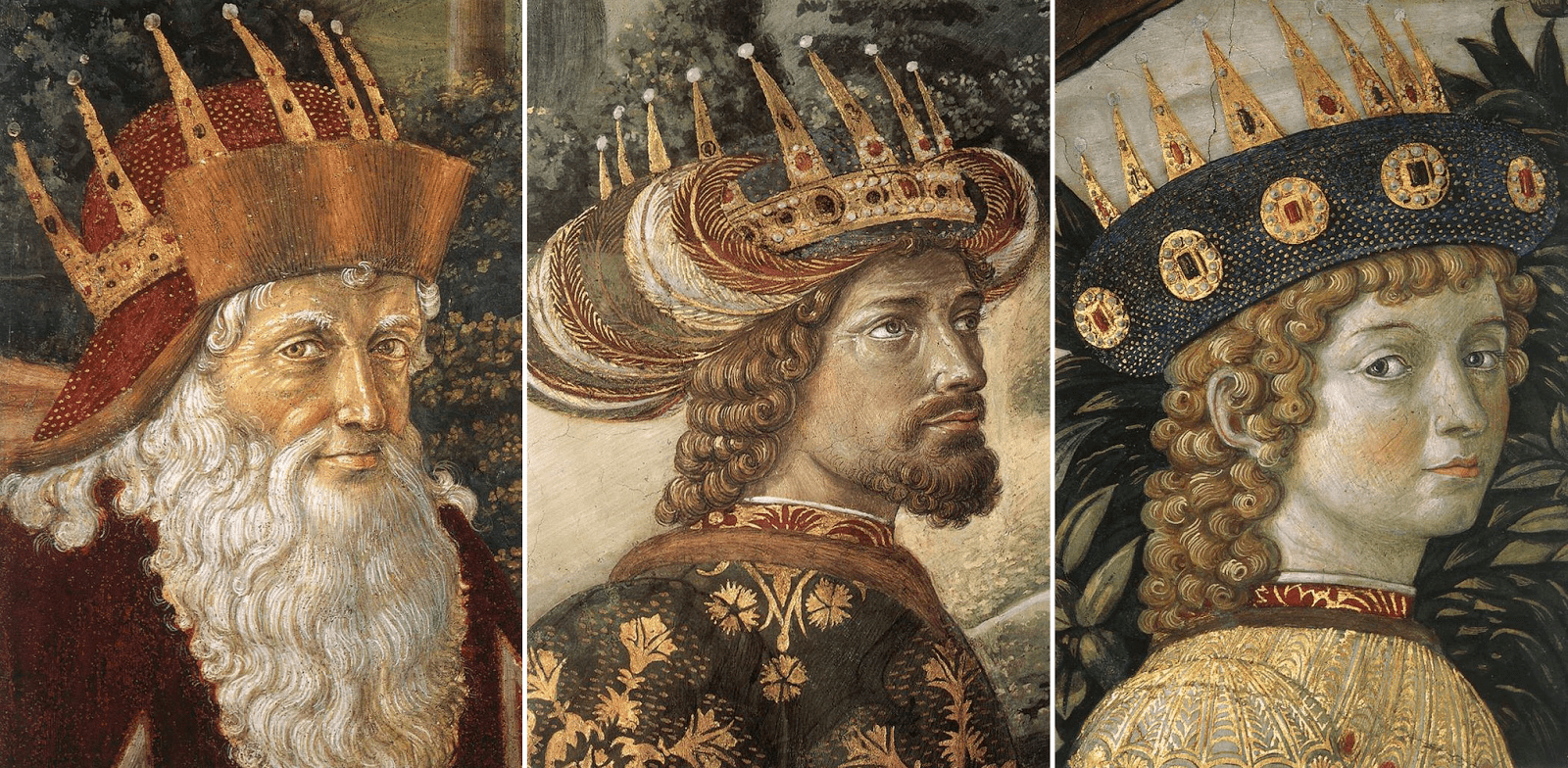
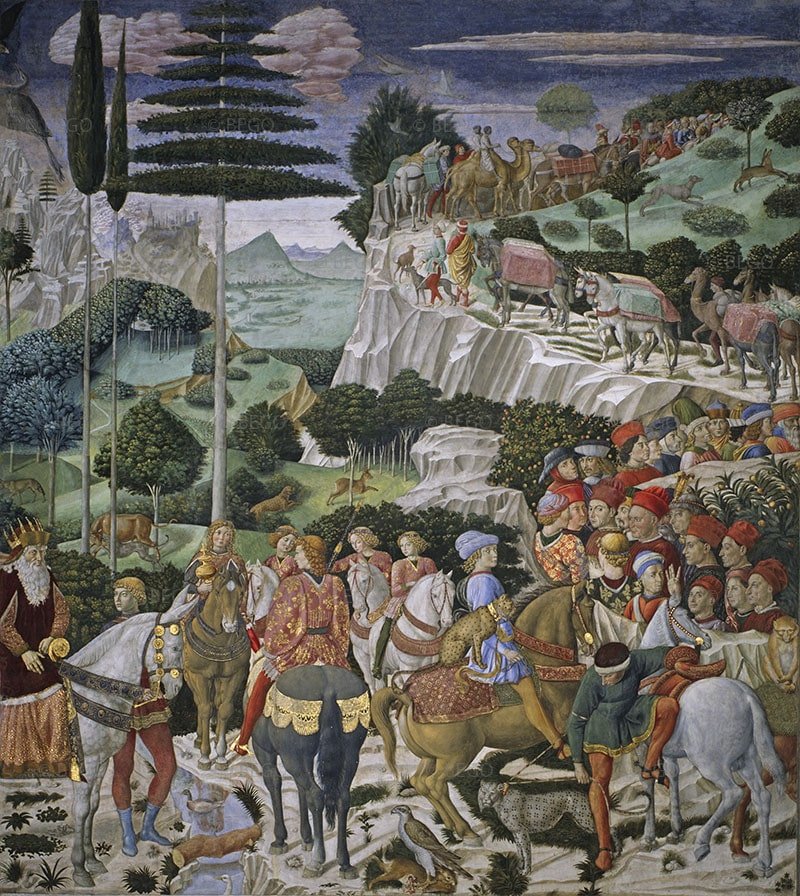
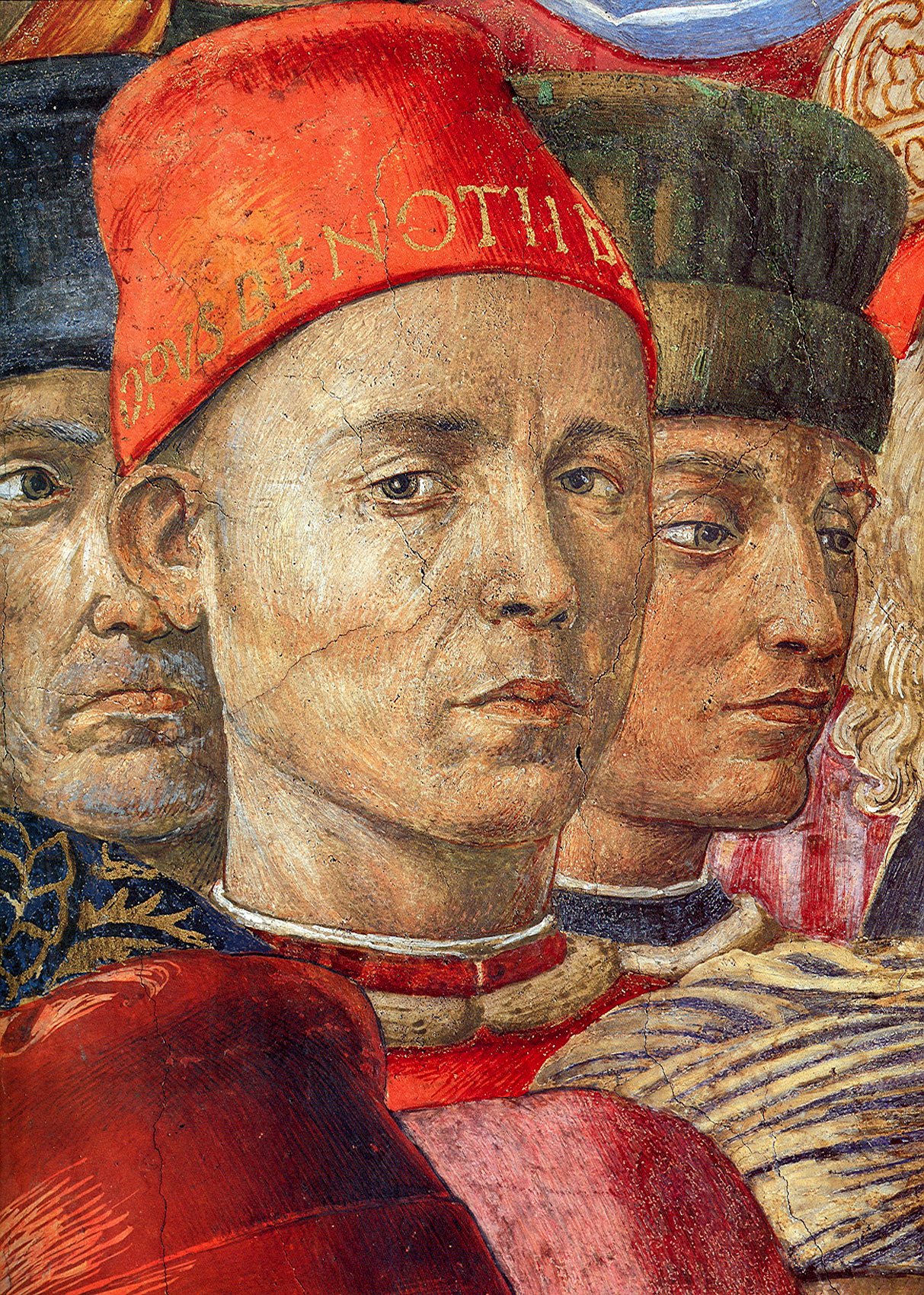
Benozzo Gozzoli - Corteo dei Magi 1459.- particolari: i Volti dei tre Re Magi - Cappella dei Magi - Palazzo Medici - Firenze.
The star they follow is not merely astronomical. It is a cosmic sign mirrored in the soul, calling human beings to align thinking, feeling, and willing toward a higher purpose.
Their gifts speak this language clearly:
Gold — purified thinking, spiritual wisdom
Frankincense — devotion of the heart, reverent feeling
Myrrh — transformed will, sacrifice and healing
Epiphany thus marks the moment when the fraternal impulse becomes visible not only in the world, but as a task within the human being.
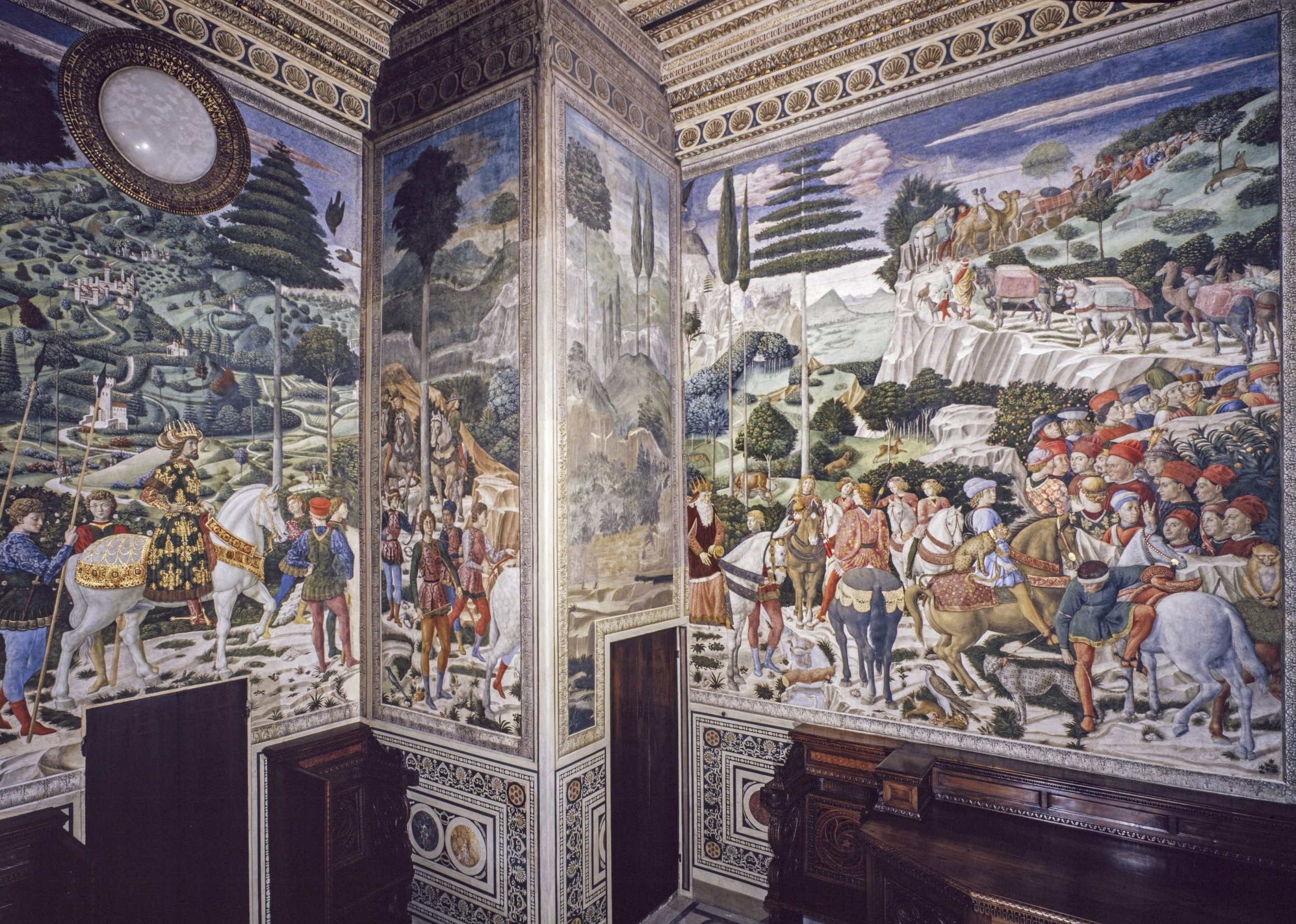
Benozzo Gozzoli Cappella dei Magi 1459 — Sequenza delle tre pareti con il Corteo dei Magi — Affresco.
Florence & the Medici: Epiphany Walking Through the City
During the Renaissance, this inner pilgrimage found powerful expression in art and civic life. In Florence, the Medici family identified deeply with the Magi. Each year on Epiphany, they would parade through the city impersonating the Wise Men, transforming the streets into a living ritual of search, revelation, and homage.
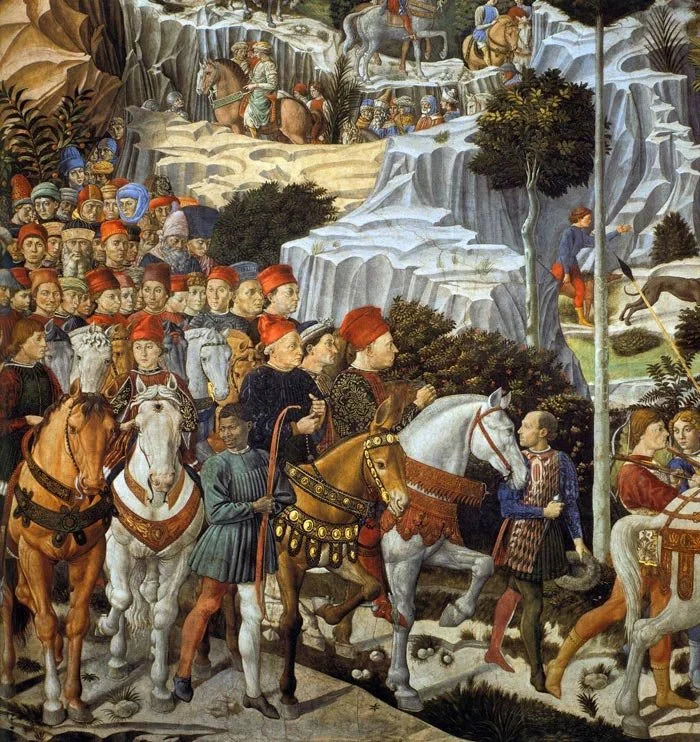
Benozzo Gozzoli - Cappella dei Magi 1459 — Sequenza delle tre pareti con il Corteo dei Magi — Affresco.
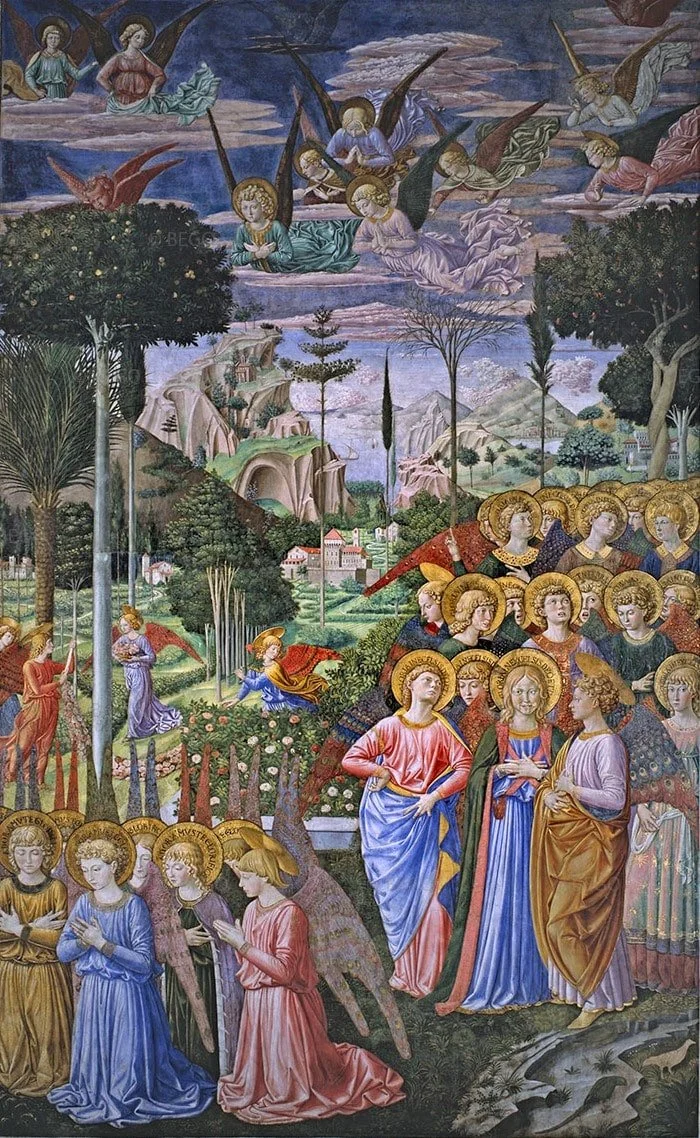
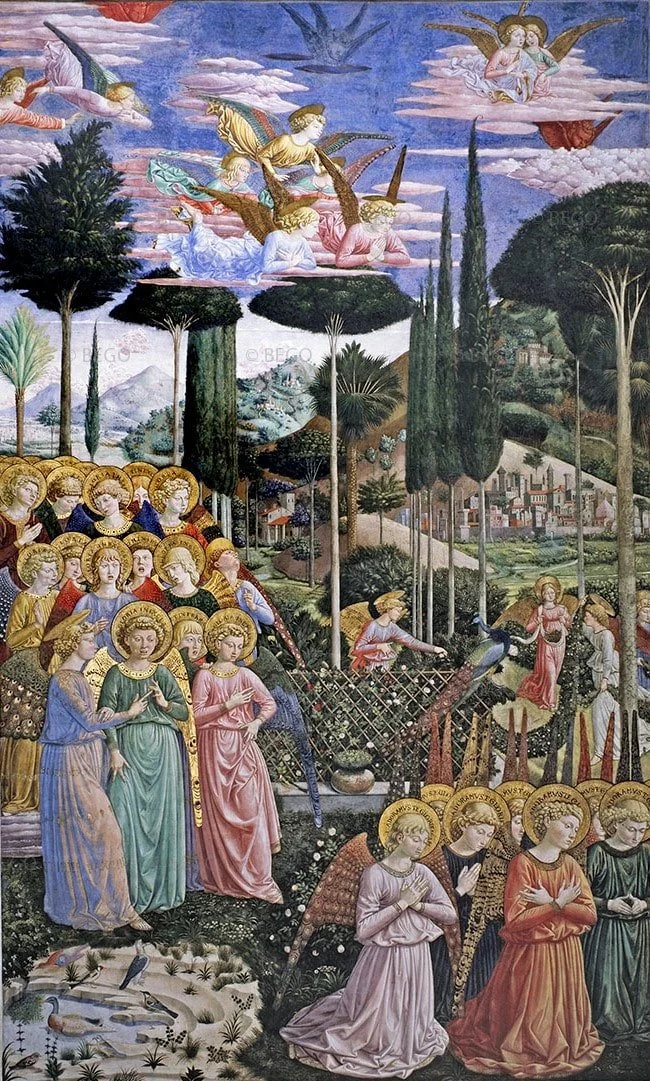
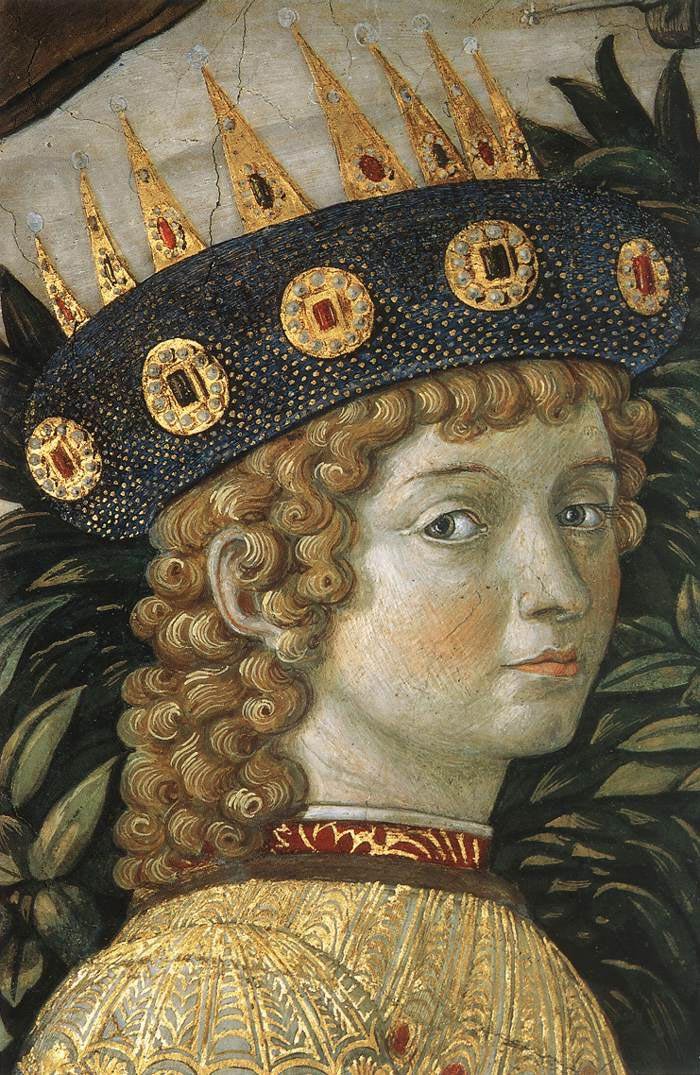
This spirit is immortalized in Benozzo Gozzoli’s Cappella dei Magi at Palazzo Medici Riccardi. Here, the journey toward Christ unfolds as a luminous procession through landscape, color, and human presence. Nobles, children, animals, hills, and cities move together toward a center of meaning.
The search for the star is not solitary : it is cultural, communal, artistic.
Beauty becomes a guide. Art becomes a bearer of spiritual memory.
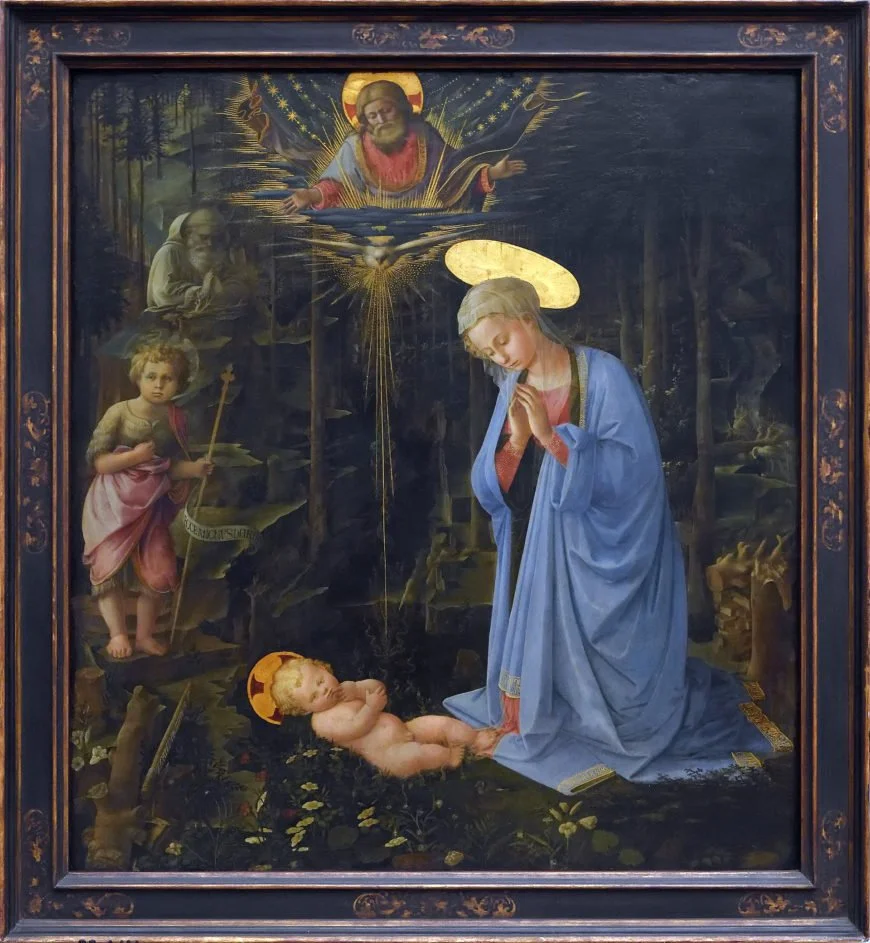
Artaban: The Magus Who Never Arrived
And yet, not every seeker arrives in splendor.
Between the Renaissance pageantry of the Medici and our modern inner life stands a quieter figure: Artaban, from Henry van Dyke’s The Other Wise Man.
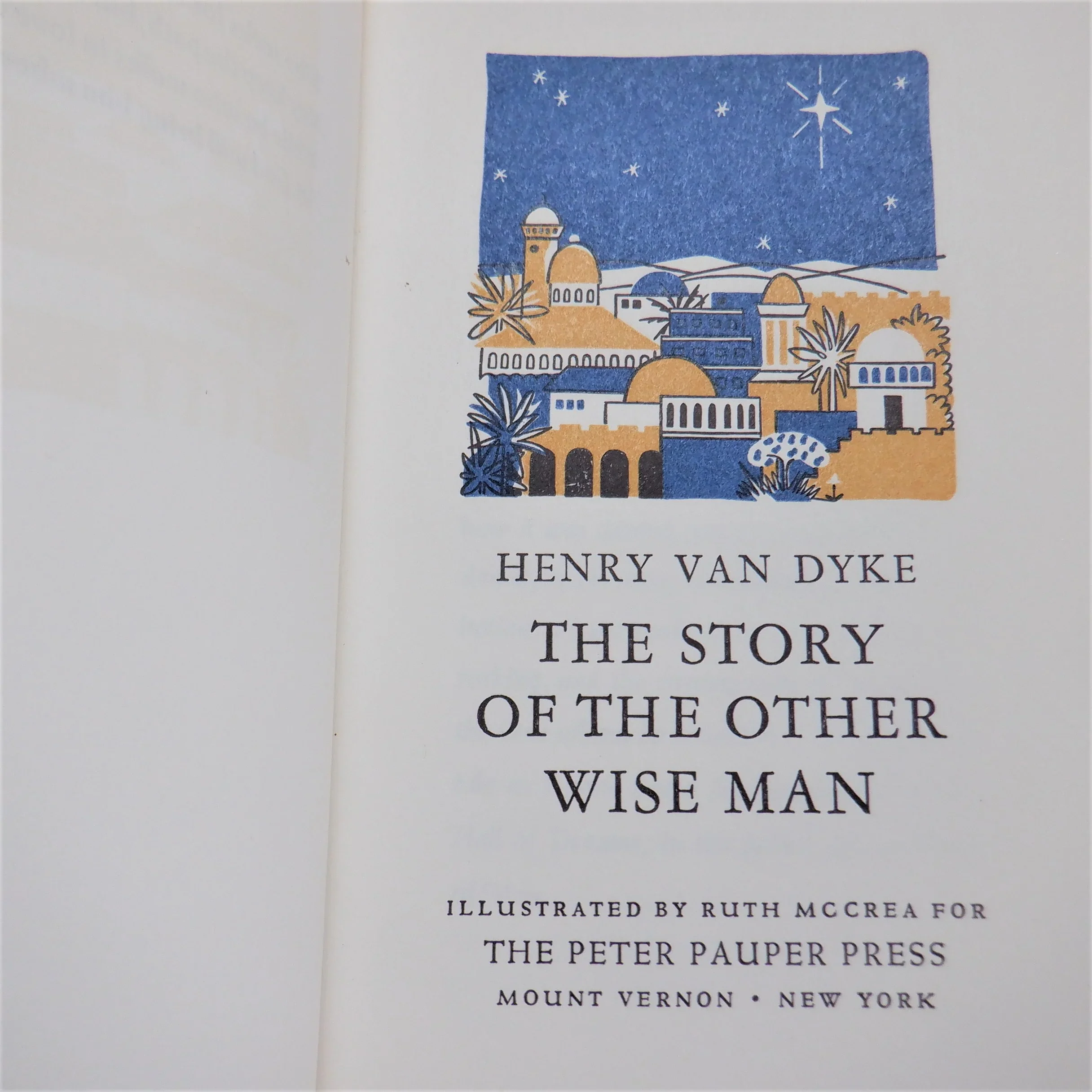
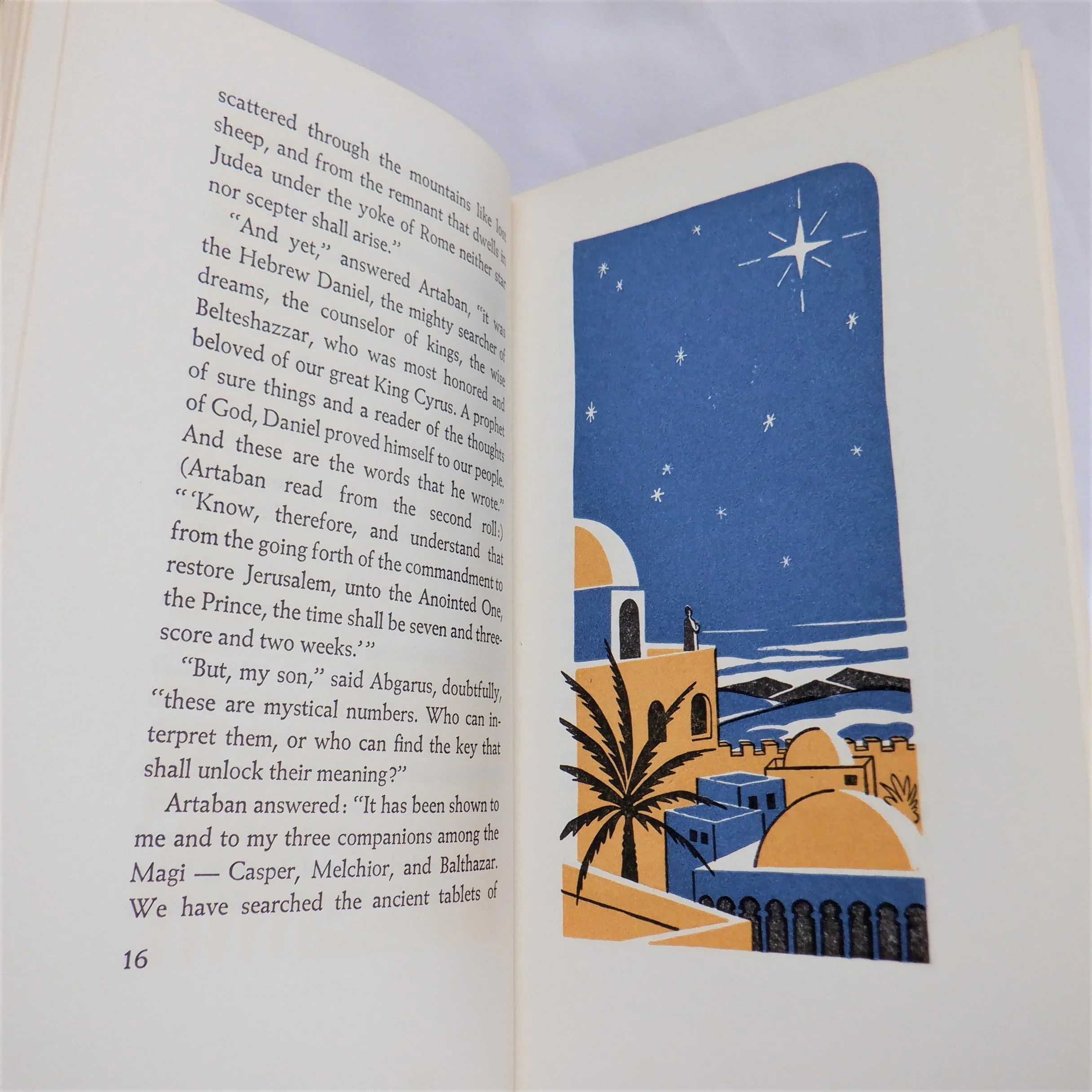
Artaban, like the other Magi, sets out to follow the star. But along the way, he is delayed, again and again, by acts of compassion. He gives away his treasures to help the suffering, the imprisoned, the forgotten. He arrives late.
He misses the child in Bethlehem. He searches for decades.
Only at the end of his life does he understand:
the Christ he sought was present in every act of love he offered.
Artaban becomes the bridge between ancient revelation and modern conscience.
His story speaks directly to our time, when the star is harder to see, and the path less ceremonial, yet no less real.
Epiphany Today
no longer unfolds in processions, it lives in questions, in ethical choices, in moments when we choose presence over haste, compassion over indifference, meaning over distraction.
To find the stars today means:
Learning to recognize guidance in moments of uncertainty
Trusting intuition refined by responsibility
Allowing beauty, art, and silence to orient the soul
Understanding that the Christ impulse reveals itself through conscious moral action
Epiphany opens a cycle, from January toward Easter, in which the human being is invited to actively participate in the unfolding of light.
Simple Epiphany Practices:
Star-Gazing Walks
Stepping outside on a clear winter night we observe the sky in silence. The vastness speaks.
Journaling: Finding Stars
Writing about moments, people,
or questions that have guided us when the way was unclear.
Storytelling
Sharing the stories of the Magi
and of Artaban, not as moral lessons, more as mirrors of human experience.
Art
Spending time drawing, painting, dancing, singing. Letting color, rhythm, and movement work inwardly.