When Winter Breathes Again
Candlemas, the Turning Light.
Winter does not end all at once.
It loosens its grip slowly, almost imperceptibly.
Around the beginning of February, something subtle shifts: the light lingers a little longer in the afternoon, the air carries a hint of movement, and the earth, still cold and silent, begins to breathe again.
This threshold moment is marked by Candlemas, celebrated on February 2nd, a festival of light, purification, and quiet hope.
Candlemas marks the midpoint between the Winter Solstice and the Spring Equinox: a true hinge of the year. In older agrarian cultures, reaching this point meant survival. The hardest weeks of darkness were behind, and the promise of renewal was near.
Light That Purifies and Awakens
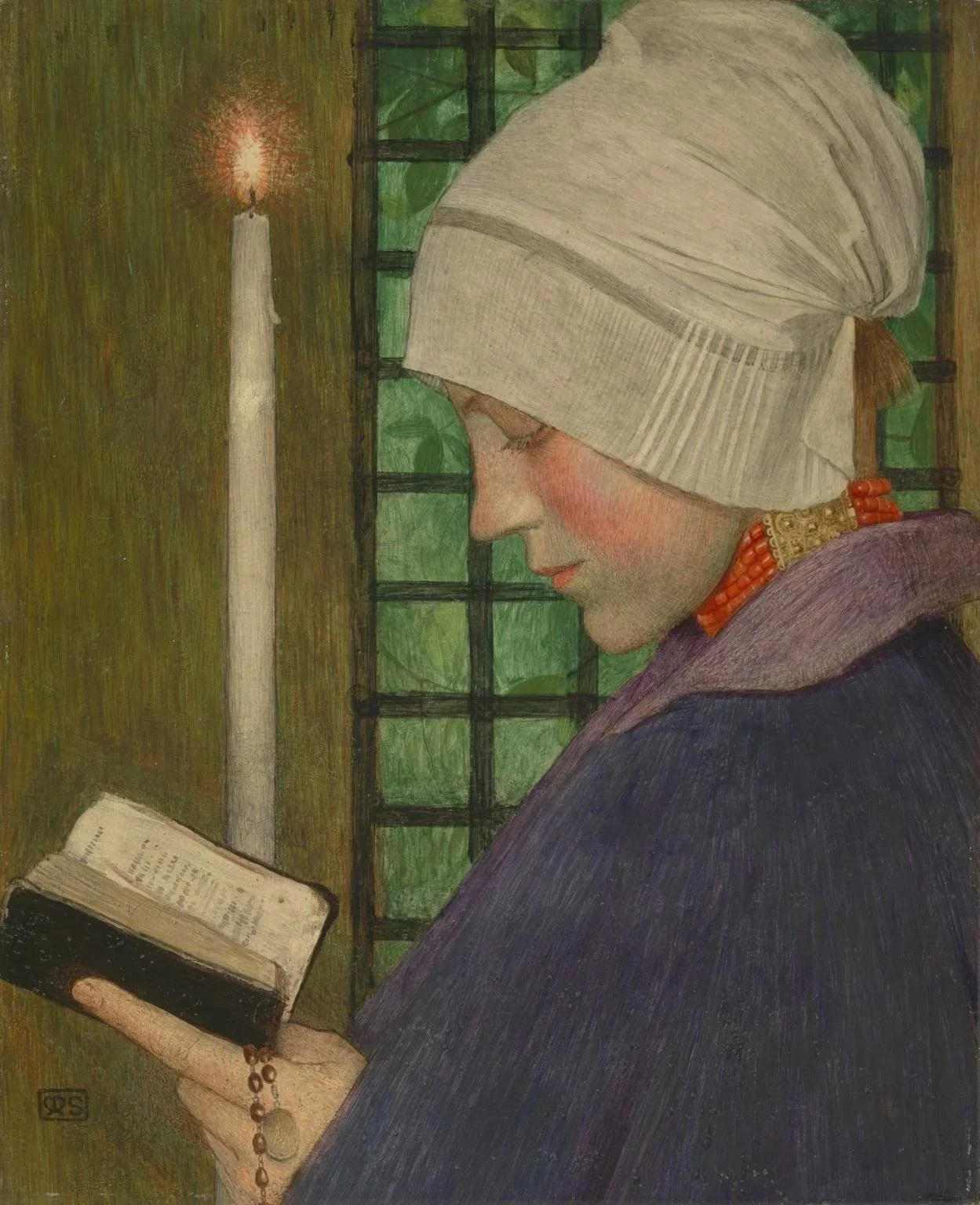
In the Christian tradition, Candlemas commemorates the Presentation of the Christ Child in the Temple, forty days after birth, when Simeon recognizes him as “a light to enlighten” Candles are blessed on this day, symbolizing not only physical light but inner clarity, warmth, and moral awakening.
Marianne Stokes, Candlemas Day, circa 1901
Yet Candlemas rests on even older foundations.
In Roman times, February honored Juno Februata, associated with purification and renewal.
In Celtic lands, the same days were celebrated as Imbolc, Saint Brigid's Day, goddess of fire, healing, poetry, and the hearth. Imbolc means “in the belly”: the earth is still dormant, but life is stirring beneath the surface.
Lambing season begins. Snowdrops, often called Candlemas bells, push through frozen soil.
Across traditions, the message is the same: the light is returning, even if we cannot yet see its full effect.
Tuning with
the Earth
Peasant proverbs tied to Candlemas reflect centuries of careful observation:
If Candlemas Day
be dry and fair,
The half o’ winter’s
to come and mair;
If Candlemas Day
be wet and foul,
The half of winter’s
gane at Yule.
What survives today as folklore once carried real wisdom: nature speaks, if we learn how to listen.
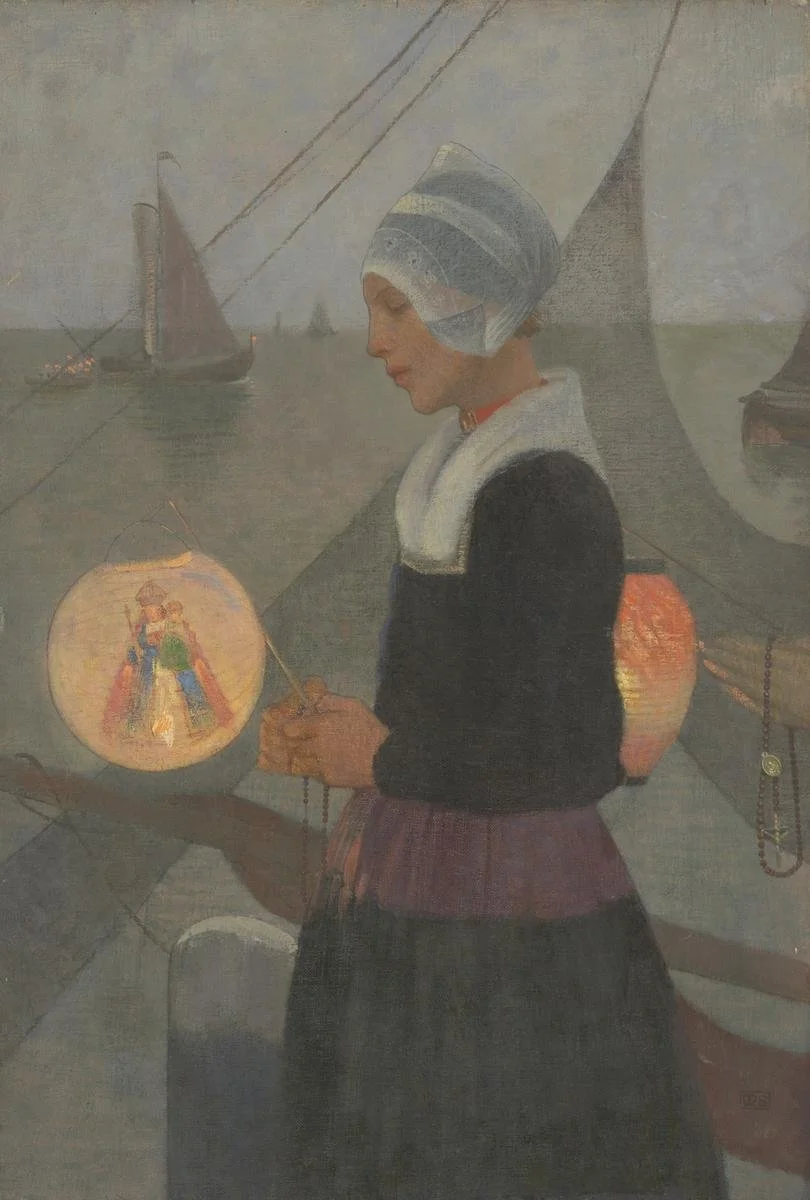
Marianne Stokes,, A Fisher Girl’s Light, 1899
Candlemas at Home: Simple, Essential, Human.
Candlemas invites simplicity. It asks us not to rush spring, but to honor the quiet transition.
We can mark the day gently by:
Lighting candles, preferably beeswax, whose warm glow and honey scent carry a living quality.
Making candles with children: rolling or dipping wax, a slow and grounding activity that teaches patience and care.
Cleaning, not as a task but as a ritual of readiness.
Planting seeds or work with grains and beans, symbols of hidden potential.
Creating a small nature table with snowdrops, stones, branches, and candlelight.
A simple verse
to light the flame:
Candle, candle, burning bright,
Winter’s halfway done tonight.
In your glow we start to know:
Spring will come again.
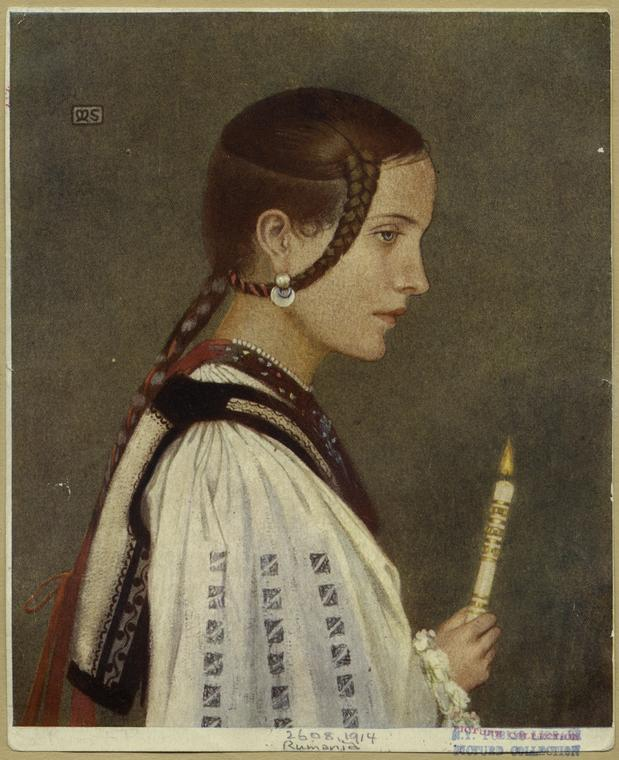
Marianne Stokes,, A Rumanian Bridesmaid, 1905
For Children:
Light Without Hurry
For children, Candlemas is not about explanations, rather experience.
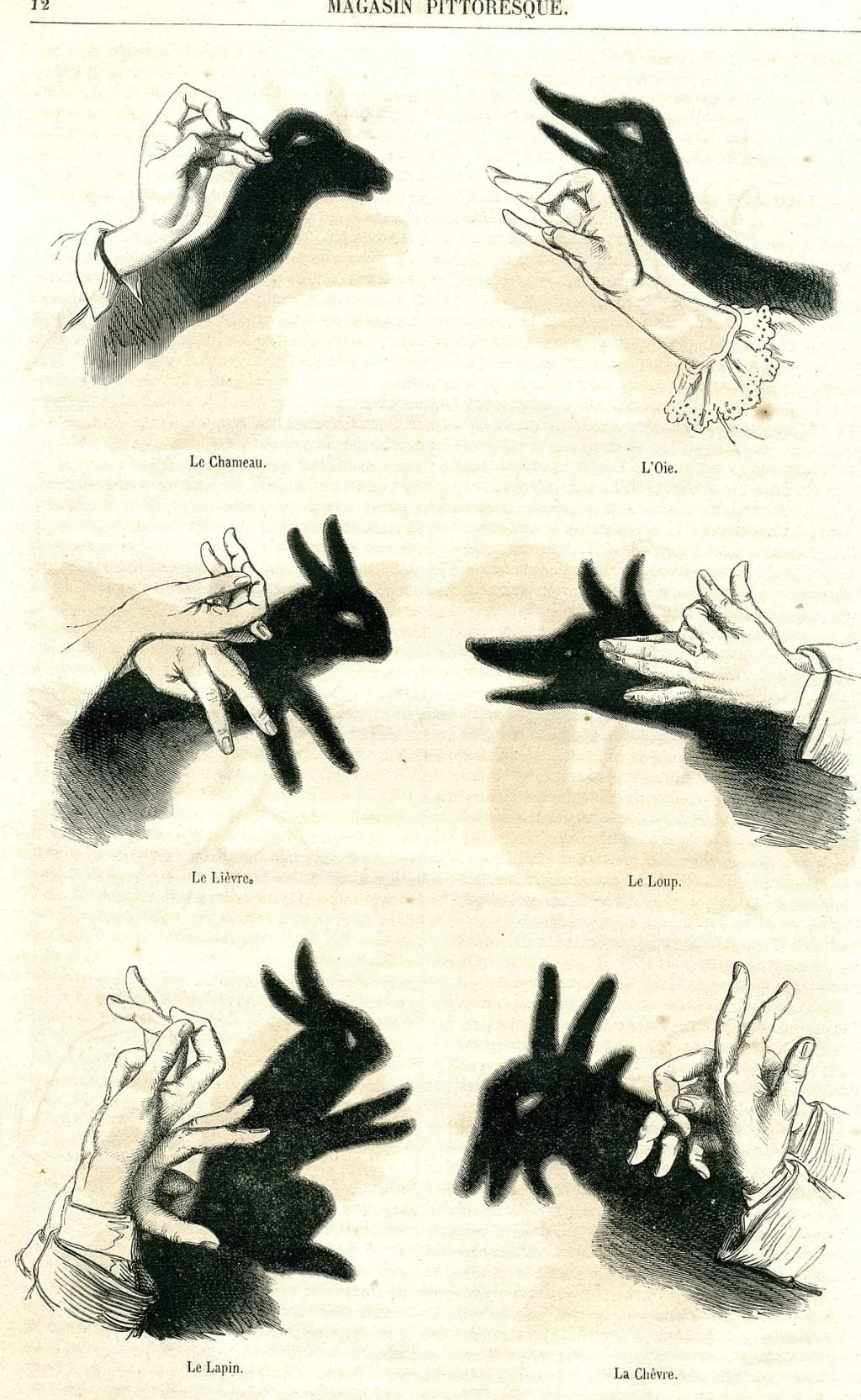
Candlelight dinners, stories told in the dark, shadow play on the walls, warm soup after a winter walk, these are gestures that build inner security and trust in the rhythm of life.
This is a festival of waiting without anxiety, of nurturing hope without forcing growth.
Just as the earth does not rush its awakening, neither should we.
A Threshold Worth Honoring
Candlemas reminds us that transformation often happens invisibly.
The days are still cold. The nights are still long. And yet, the balance has shifted.
Light has begun its return.
If January asked for courage, February whispers discretion.
Winter taught stillness, Candlemas offers direction.
Let’s light a candle. Gather our hopes and trust that what is resting will soon rise.