Rhythm as Breath
Finding Harmony in the Flow of Time
There is a way of living that begins with listening rather then control.
In a world shaped by schedules, deadlines, and constant acceleration, we often forget that time can be more than a line to manage: is a rhythm to inhabit.
Rhythm is not structure imposed from outside. It is something far more intimate like a breathing.
Like inhalation and exhalation. Waking and sleeping. Light and darkness.
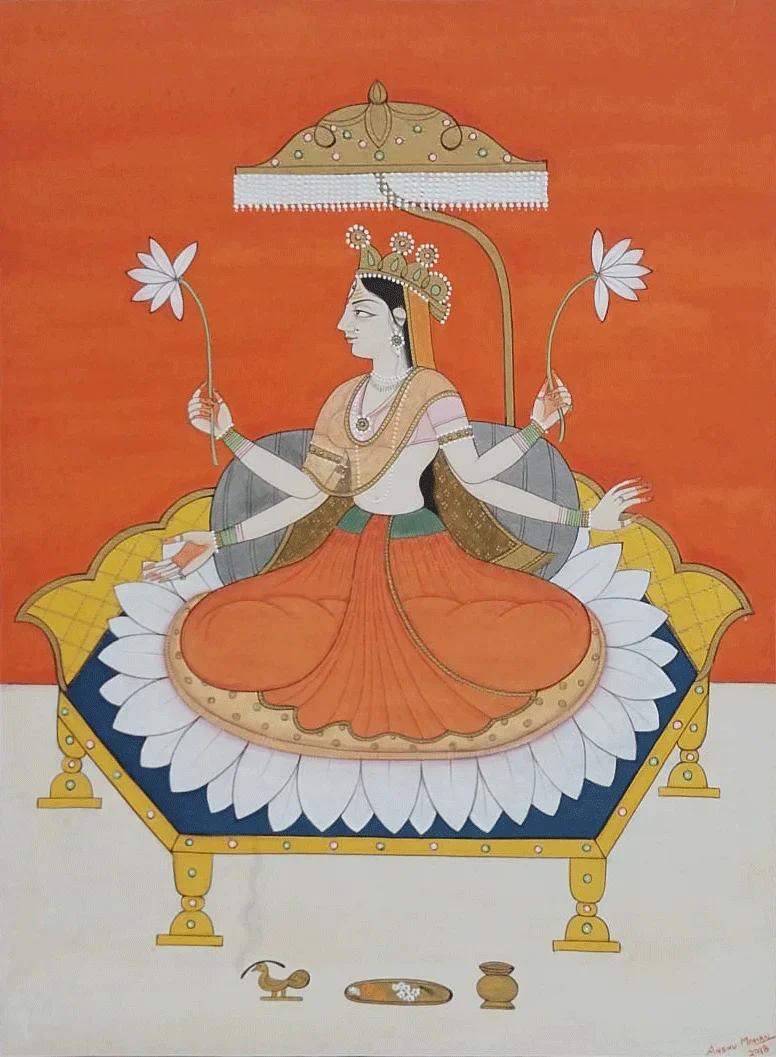
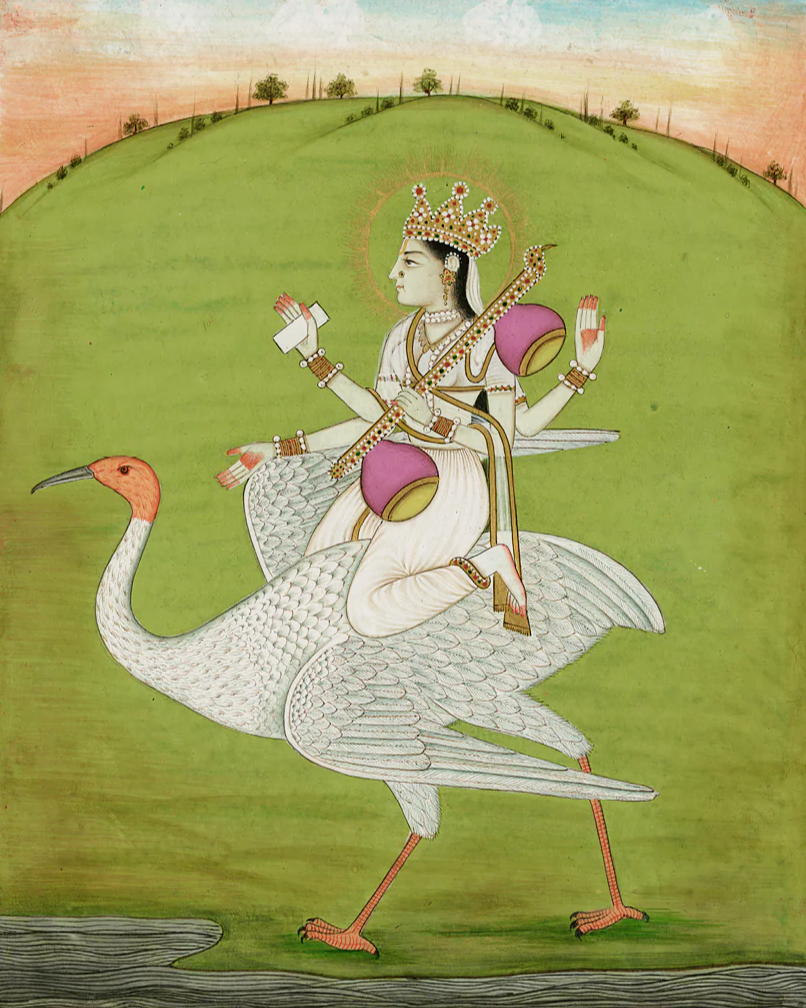
Lakshmi - traditional Indian Miniature
The Breath of Time
If we observe closely, life does not move in straight lines.
It expand and contracts. It awaken and rests. It give and receives.
This is true in the seasons, in the day, and within the human being.
To educate, ourselves or a child, means learning to trust this movement.
Not to fill time, but to shape space for life to unfold.
Rhythm is not a rigid schedule.
It is a living alternation between activity and rest, between outward engagement and inward nourishment.
When this alternation is missing, we feel it immediately: restlessness, fatigue, disconnection.
When it is present, something subtle happens: we begin to feel held.
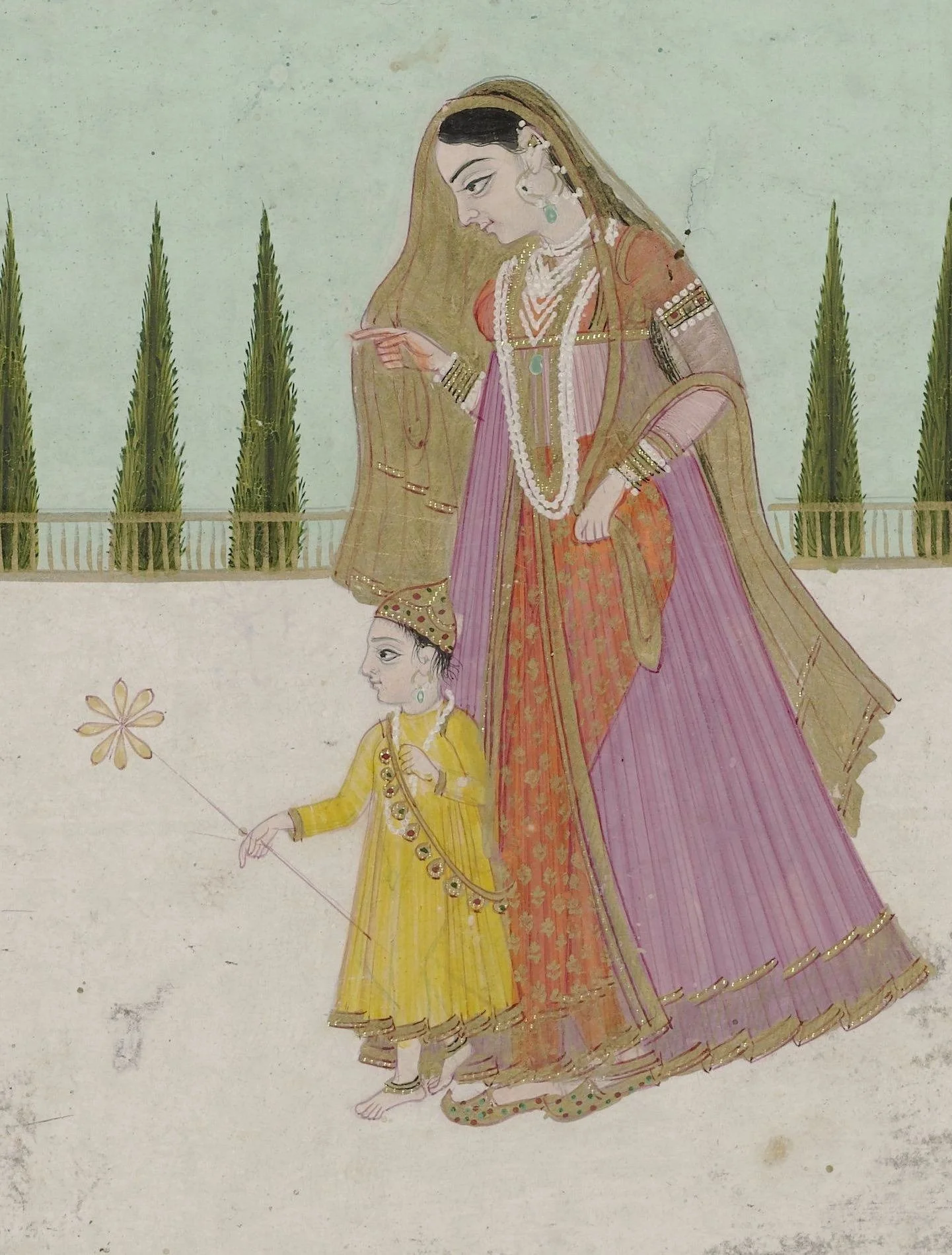
Rajput Ragamala Traditional Indian Miniature
Rhythm and Inner Security
For a child, rhythm is the first form of trust. Before understanding words, the child understands repetition:
the same gesture, the same song, the same sequence of the day.
This repetition does not imprison it frees. Because within it, the child can relax into the world.
Also for adults, rhythm becomes a form of self-education: a gentle training of the will, not through force, but through continuity. To return each day to a simple gesture is to say: “I am here. I remain.”
A Simple Practice
for Children
Children need rhythm that can be felt through the body. A very simple daily sequence:
a short song before meals
a repeated bedtime story
a gesture of closing the day
What matters is gentle repetition.
Through this, the child begins to feel:
the world is good, time is trustworthy, and rest will always return.
A Simple Practice
for Adults
We can choose one small moment in your day.
Each morning or evening:
we can light a candle
we can take quiet breaths
we can place a hand
on your heart
No need to “achieve” anything.
Some days it will feel deep.
Some days empty.
We return anyway.
This is rhythm: not intensity, but faithfulness.
Over time, this small gesture becomes a threshold: a place where the day gathers meaning.
Listening to the Need to Rest
In a culture that values constant doing, rest can feel like absence. But in the language of rhythm,
rest is is fertile. Like winter soil. Like the pause between breaths.
Learning to stop without guilt is one of the deepest forms of inner education.
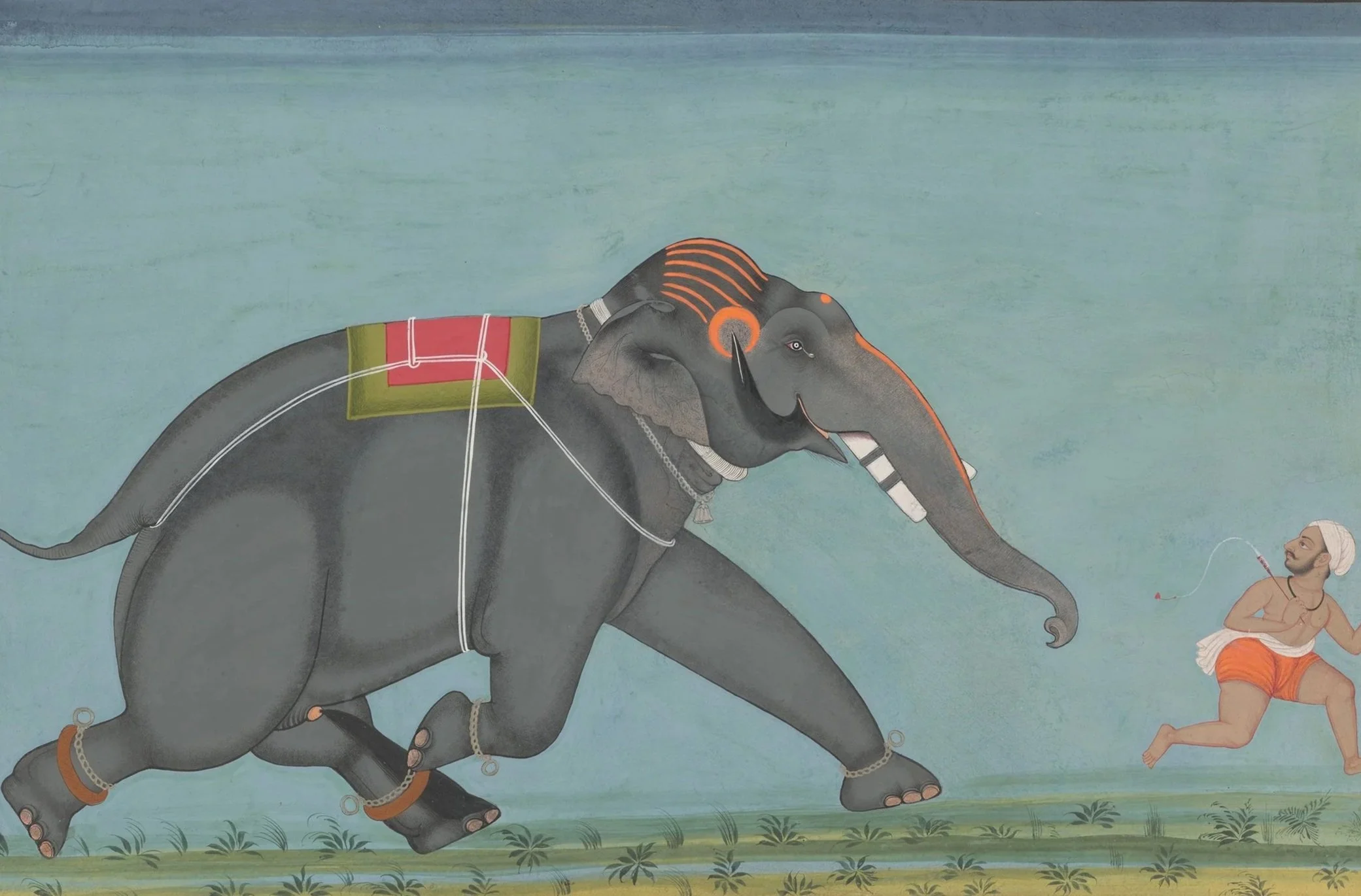
The elephant Dalbādal chasing his trainer - ca. 1750 - Rajput Ragamala Traditional Indian Miniature
Time as a Living Canvas
When we begin to live rhythmically, something changes.
Time is no longer something we chase. It becomes something we shape with presence.
We begin to notice: the color of morning light, the quiet weight of evening, the subtle movement of our own inner tides. Creativity arises naturally here as expression of alignment.
A drawing, a meal, a walk, a gesture of care all become part of the same breathing whole.
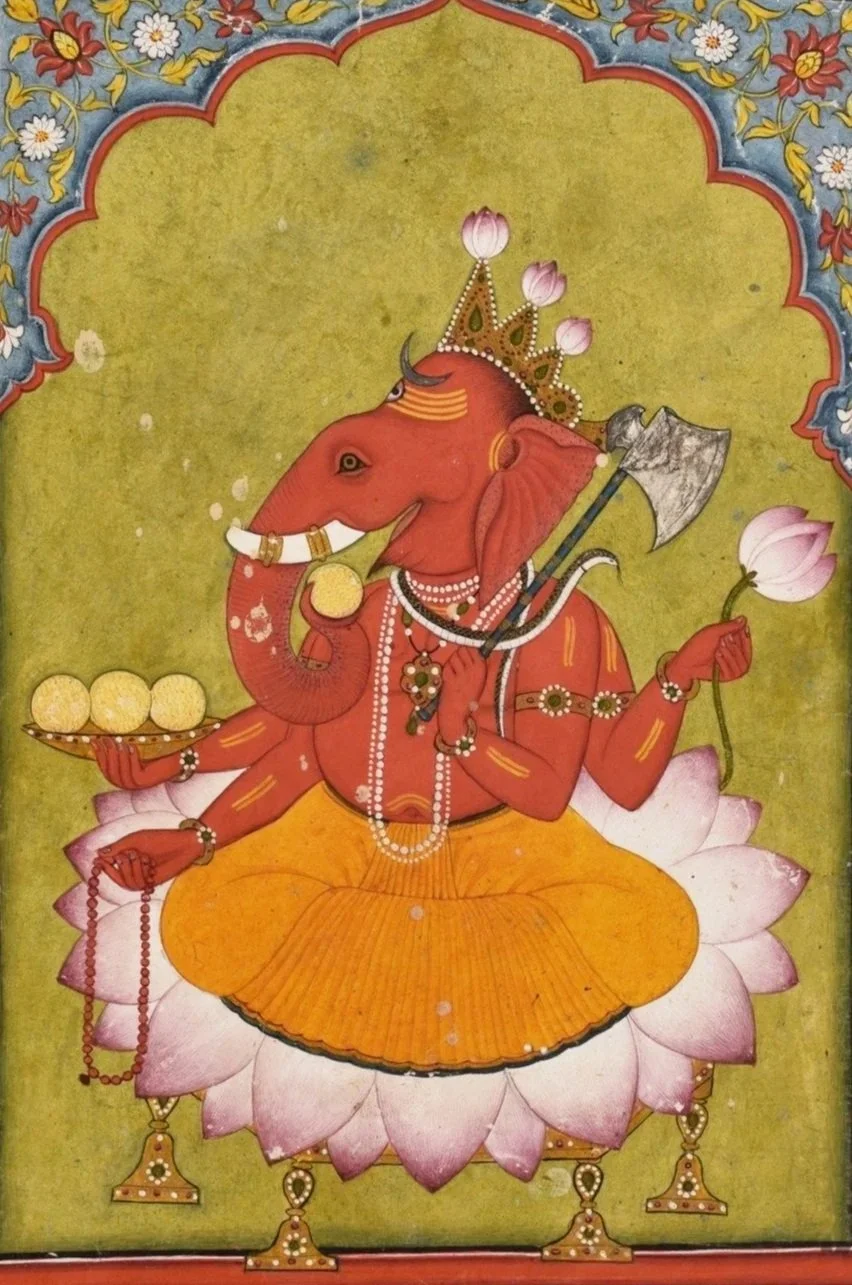
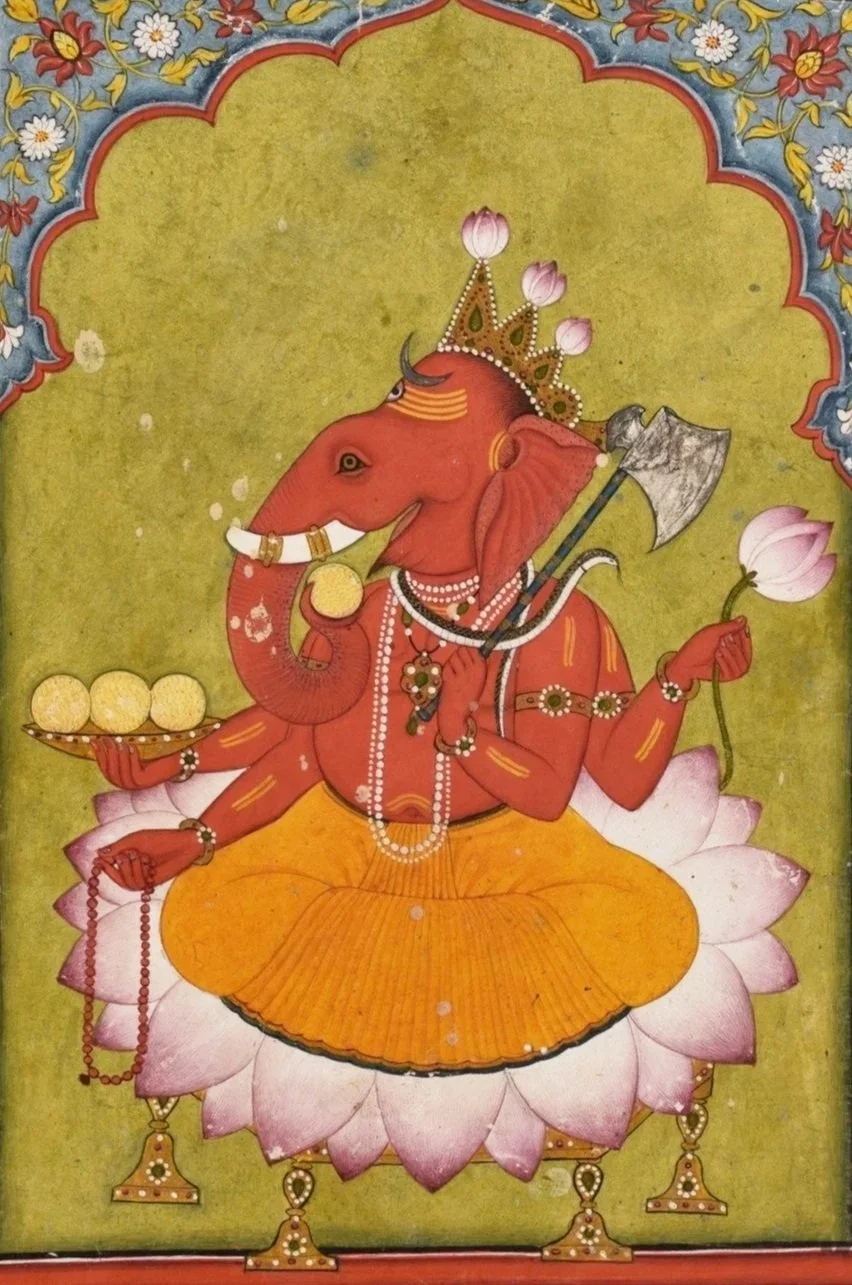
Ganesha Basohli miniature circa 1730 Dubost
Lastly
Let’s place a hand on our heart for a moment.
Feel its rhythm.
This is our first teacher.
Our first measure of time.
To live in rhythm is not to control life rather to enter into dialogue with it. And slowly, gently, to discover that we are not separate from the flow, we are already part of its quiet, living breath.